



It might seem easy to move your parents into your home when they can no longer care for themselves. However, before you do so, it’s important to look at some of the dangers in your home, and ensure your home is a safe place for them.
What you need to do to adapt your home will vary on the conditions of your parents. For example, those facing dementia will need far more adaptations than those with limited mobility. Read on to learn exactly how to create a safe home environment for seniors.
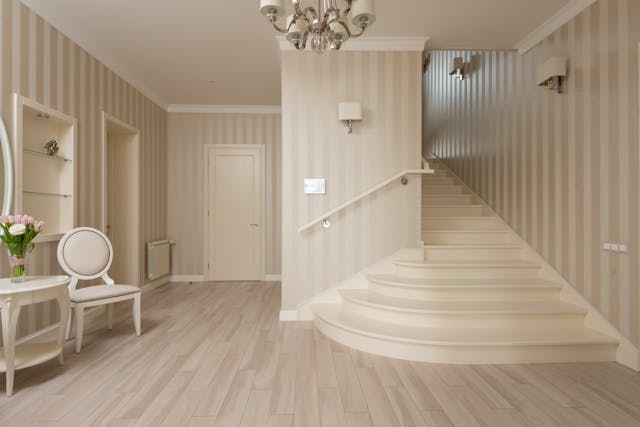
1. Evaluate Stairs/Steps
Even if your home is ranch-style, there are still likely steps in some places. No matter what, the number/location of steps in your home must be considered. According to the CDC, 25% of seniors fall at least once per year—and not always on the stairs, as you may assume.
It can be as simple as a step out the back door, or perhaps one on your front walk, which gets slippery in the winter. No matter what, you need to do something to ensure your senior is safe.
This can be as simple as adding reflective non-slip tape for seniors with diminishing vision or buying a ramp for those with limited mobility. Serious cases may require the installation of an electronic stair chair to go up and down stairs.
2. Fix Carpets
Falls can not only occur because of steps, but also because of rugs that slide or bend due to frequent traffic. Take the time to firmly affix all rugs to the floor, and consider removing those that are unnecessary/decorative.
3. Add Grab Bars
Some areas are impossible to keep dry, such as the bathroom. In these areas, a grab bar is necessary—especially if your loved one has arthritic knees. The good news is, these are typically inexpensive and easy to install, though if you need some of the other bathroom changes listed below, we recommend hiring a professional for the entire job. We recommend that grab bars be installed both by the toilet and in the shower.
4. No Tubs
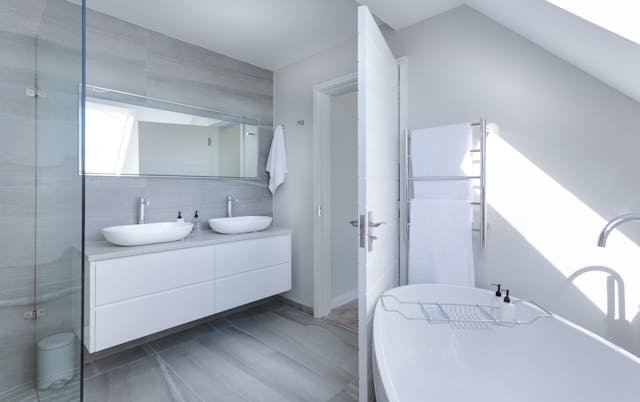
Unfortunately, one of the biggest dangers to your senior relative is the tub. Tubs are difficult to climb in and out of in the later years, and extremely slippery when wet. Not only that, but when your senior slips, they are likely to hit their head on the porcelain edge. Hopefully, you have a step-in shower in your home; if not, you will need to redo your bathroom to include a step-in shower option.
There are tub modifications that can be made—a door added to make entry and exit easy, but they are so difficult to install (and even walk-in bathtubs can be dangerous if your senior falls asleep while bathing), so we just recommend switching to a shower to be safe.
5. Make Shower Modifications
Speaking of showers and tubs, a mat to prevent slipping is necessary. Seniors struggle with balance in their later years, leading to slips and falls where they normally wouldn’t struggle. Shower mats are affordable and the best way to protect your senior while bathing.
Additionally, if your shower doesn’t have a bench or seat for sitting, you may need to invest in a shower chair if your senior can’t stand for long periods of time. This can help prevent passing out in the shower.
6. Watch for Pica Signs
Sometimes, seniors with dementia can develop pica—a tendency to eat non-edible items. While this is less common than slips and falls, it is still something to be aware of if your senior has dementia.
Remove all items that could accidentally be eaten, like small stones in plants and chalk. It may also be important to lock up medication so the patient doesn’t accidentally overdose themselves due to forgetting they already took their medication.
In very serious cases, it may be important to watch your senior at all times to ensure they aren’t eating cloth items like cushions or the couch—but these are very serious cases.
7. Check Your Lighting
Back to slip and fall prevention, but good lighting is absolutely necessary both inside and outside of your home. Ensure you have a porch light on both sides of your home, and that there are no dark hallways or corners. It may also be worthwhile to install night lights in every outlet possible in case your senior needs to use the bathroom at night.
8. Clear All Clutter
If you don’t have a clean home now, get used to having one when your senior moves in. Even if rugs and steps are corrected, a senior is still likely to trip and fall over items on the floor. This means that you need to be aware of never leaving clutter, especially in already challenging areas, like the stairs.
Those with small children may struggle with this, so it’s important to start training them as young as possible, or check in each time they finish playing to ensure all of their small toys have been cleaned up.
Where is the Best Place for a Senior?
Although everyone wants to help their parents when they age, seniors really need a home that is on a single story (unless there’s a stair chair) with an ADA-compliant bathroom. The home also needs to be free of clutter.
If you cannot provide this, or struggle to keep your home clean, then you may have to put your parents in a care home. Of course, this isn’t ideal, but safety is the first priority when it comes to seniors, and a home with lots of hazards will unfortunately never be safe.
Remember, there are many government programs that can help you if you do have to put your parent in a home. There are also programs that can cover redoing your home and help with at-home nursing. Just be sure that no matter what you choose, you keep the safety of your parent at the front of your mind—even if that means they don’t live with you.


