



The trend of aging in place is on the rise, after all, you’ve spent so much time and money on your home, why not stay in it for another 10 years? Of course, this means you’ll need to make your home more accessible, for when your body starts to age, but there are so many stylish and accessible upgrades that you can add now to help you in the future.
Moving a bedroom to the first floor, grab bars, and walk-in showers are just a few of the accessibility upgrades we recommend. Read on to learn more about stylish and practical accessibility upgrades.
1. First Floor Bedroom
One of the hardest things about a home is staircases. While some are wide and easy to traverse, others are not, and this can be one of the first things that causes someone to deem their house inaccessible.
We recommend planning now for an eventual first-floor bedroom. If you have an office space or dining room that can be converted, this is perfect, as you can set it up as a guest room now and move into it later.
For homes with no first-floor capabilities, you’ll want to start saving for a stair chair, or in some situations, consider an elevator. While these are pricey upgrades, chances are they cost less than a retirement home for 10 years.
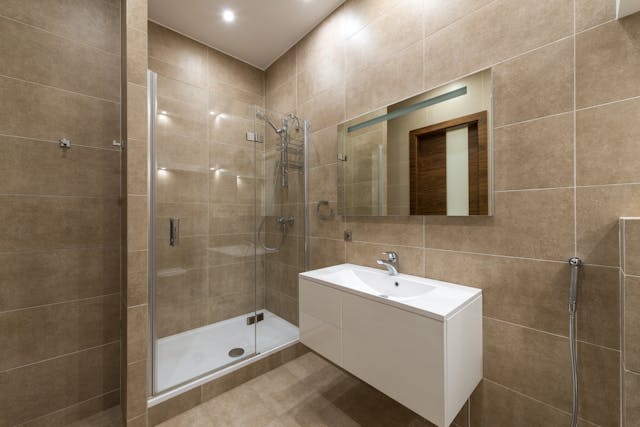
2. A Walk-in Shower
Besides the stairs, the second largest cause of injury for those aging in place is falling while attempting to step into a tub/shower combo. The best way to avoid this is to plan now for a walk-in shower installation.
Bathrooms are one of the more common home updates (after kitchens), so if you have one coming up for your main floor bathroom (or upstairs if you are doing the stair chair), look at the price for switching your tub for a shower. You’d be surprised at how inexpensive it might be. Just ensure you also add a bench or shower chair, something you can sit on in your later years when standing is a chore.
For those who are hesitant to let go of a soaking tub, there are some accessible tub options, though these tend to be far more expensive than installing a walk-in shower.
3. Grab Bars
One of the easiest accessibility upgrades for your home is to install grab bars. Grab bars can be placed anywhere where you might need extra help standing, from the bathroom (by the toilet) to the shower.
Now, it’s critical that grab bars are installed correctly, with wall anchors to keep them in place even if you start to fall. As such, this isn’t something you should be adding at the last minute, rather, this is an improvement that needs to be a part of your early renovation plans.
4. Reduce Your Furniture
Furniture is a common tripping hazard, and it can quickly make your house a maze and difficult to traverse with a walker, cane, or other mobility aid. Don’t panic, we aren’t recommending you trash your favorite chair, but you likely don’t need four end tables in the living room.
We recommend using the natural progression of life for furniture elimination. If one of your end tables breaks, don’t replace it. When your grandkid goes off to college, offer them the barstools you never use. Basically, your home should still be a home with a couch and a table, but it’s better to eliminate some of the extras to ensure you have space to navigate as you age.
5. Say Bye to Carpets
We love a good carpet, but unfortunately, we’ve never found one that isn’t difficult for those using a walker or cane. Sadly, area rugs on hardwood can be just as difficult to manage as tile floors, so what should you have?
Although hardwood floors can be slippery when wet, we find them to be the least difficult to manage as you age. Just ensure you purchase socks with grips on the bottom, and manage any spills that may occur with haste.
Like everything else on this list, we aren’t suggesting you rip out all of your floors immediately, but keep this in mind after you make the decision to age in place, slowly converting to the floors you want over time.
6. Utilize Smart Technology
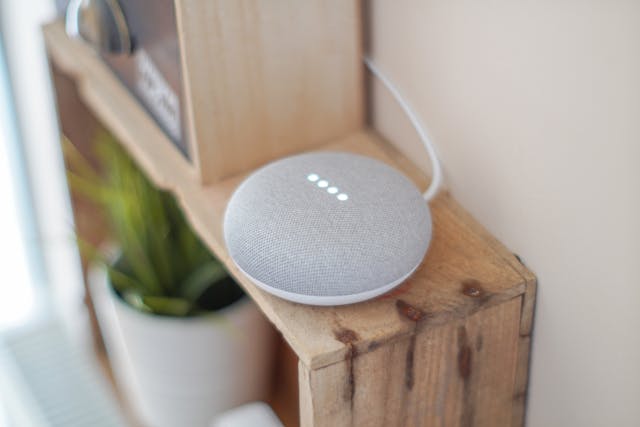
In recent years, there have been so many great inventions in the realm of smart technology, now you can adjust lights, your thermostat, and even answer the door with your phone. While not all smart technology will be a good fit for every home, you might want to take a look at some of the options for you.
Like with everything else on this list, it’s a good idea to familiarize yourself with technology before you need it, giving you time to decide what you like versus what you don’t. We have listed everything you should consider below.
- Camera doorbell
- Smart lights (phone-controlled)
- Digital thermostat (attached to your phone)
- Smart home device
- Robot vacuum cleaner
There are smart versions of almost all home appliances these days, so the next time one of your appliances breaks down, consider replacing it with the smart version.
7. Nightlights
We know this sounds crazy, but so many slips, trips, and falls happen after dark. As you age, start to consider how you will navigate at night. If you are still living with a partner and don’t want to turn on lights, install night lights and night lighting (like ribbon lighting) on all stairs, floor level changes (yes, even a single step), and near any tripping hazards. If you have pets, these are considered additional tripping hazards, and you should include even more lighting in your home.
Many of us have chosen to install motion-activated strip lights below stair railings, and nightlights in the hall, while also leaving an additional light on in the bathroom, though someone we knew did enjoy this light-up toilet seat option!
Overall, aging in place is an excellent choice, just ensure you and your home are ready before it’s too late to make the changes you need to be safe and comfortable in your home.


